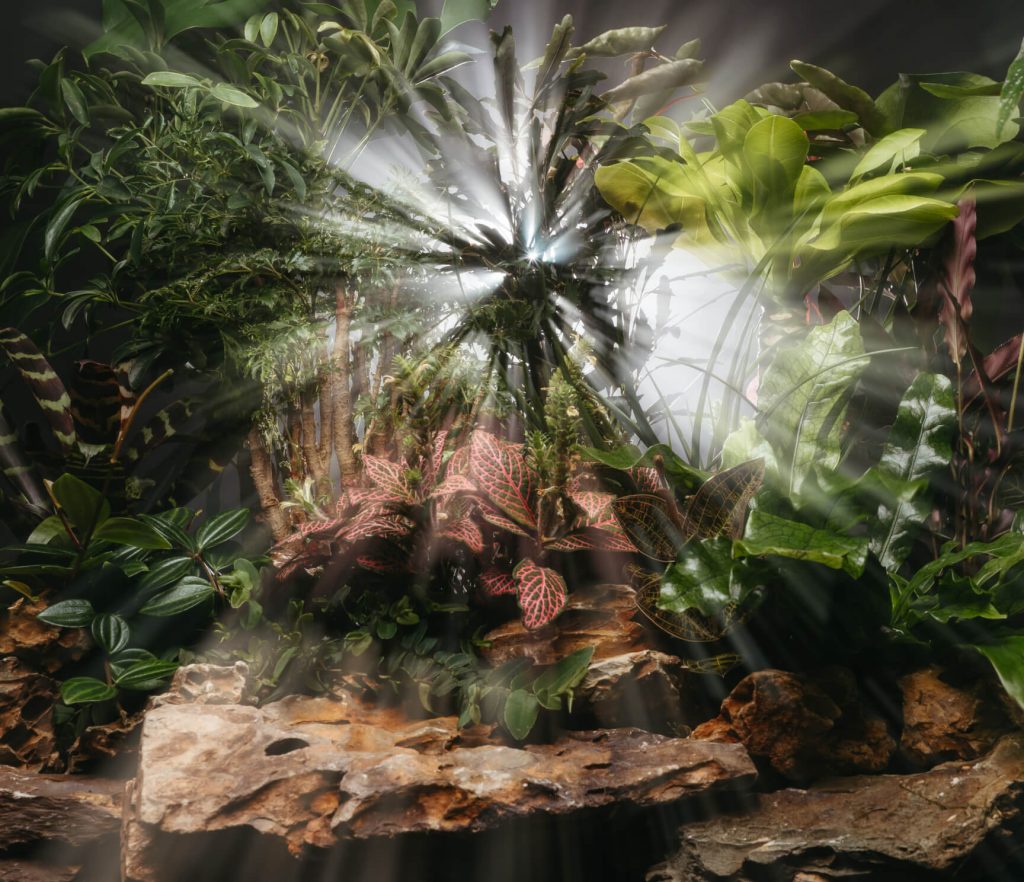
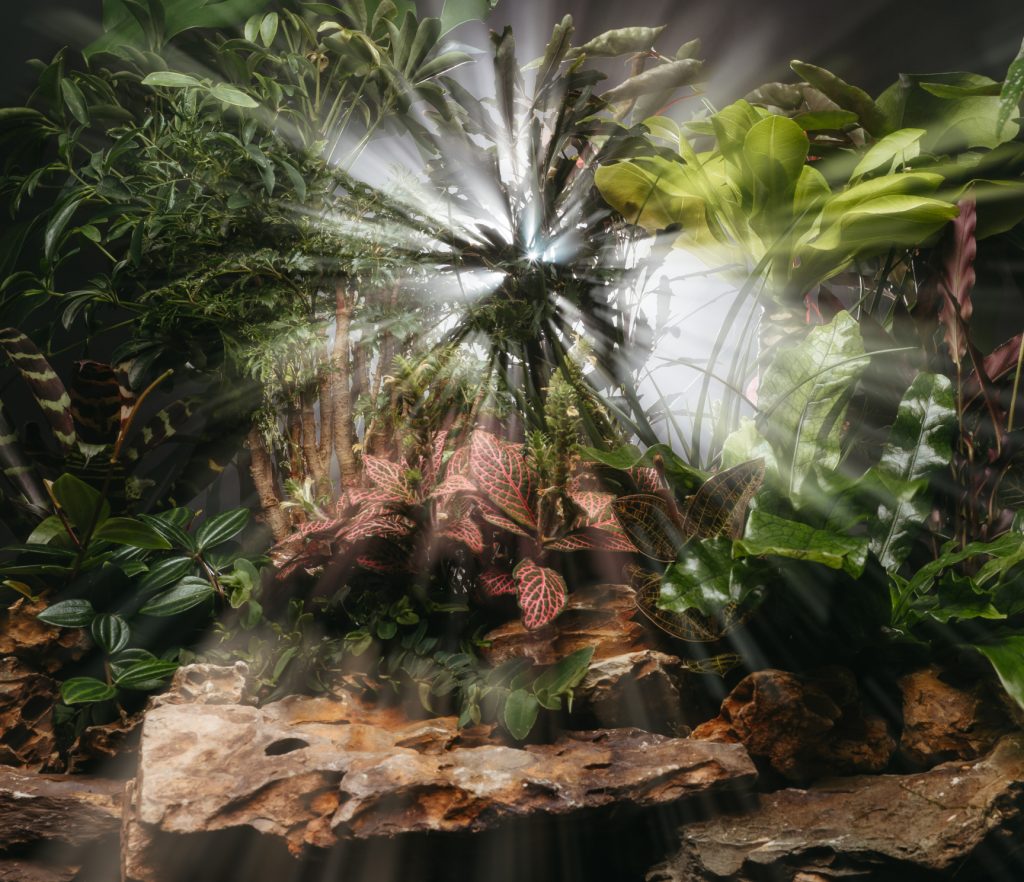
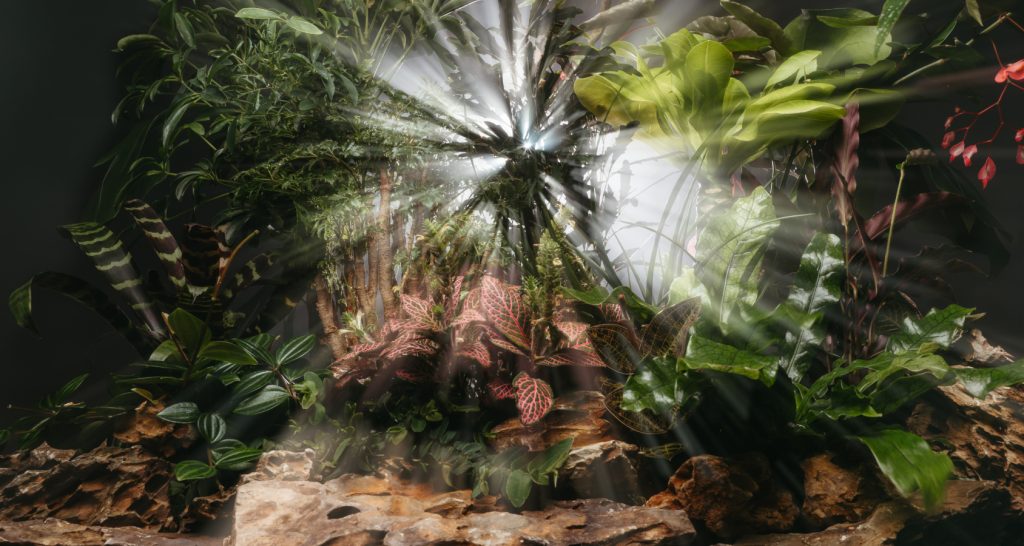
Terrariums typically feature plants that thrive in controlled environments. The two primary types of terrariums are closed or sealed terrariums and open terrariums. Closed terrariums, also known as bottle gardens, require minimal light as they create a self-sustaining ecosystem. On the other hand, open terrariums, with their exposed tops, require more light to support plant growth.
“Sed viverra ipsum nunc aliquet bibendum enim facilisis gravida. Diam phasellus vestibulum lorem sed risus ultricies. Magna sit quis blandit. Arcu cursus vitae congue mauris.“
The Importance of Proper Lighting
Light is essential for photosynthesis, the process through which plants convert light energy into chemical energy to fuel their growth. Inadequate lighting can lead to stunted growth, pale foliage, and even plant death. Therefore, it is crucial to choose the right light bulbs for your terrarium to ensure the well-being of your plants.
Selecting the Perfect Terrarium Light Bulbs
Natural Light
Light is essential for photosynthesis, the process through which plants convert light energy into chemical energy to fuel their growth. Inadequate lighting can lead to stunted growth, pale foliage, and even plant death. Therefore, it is crucial to choose the right light bulbs for your terrarium to ensure the well-being of your plants.
Fluorescent Light Bulbs
Fluorescent lights are a popular choice for terrariums. They emit a wide spectrum of light and are energy-efficient. Compact fluorescent bulbs (CFLs) or tube fluorescent lights can be used, but ensure you select those with a color temperature around 6500K, which mimics natural daylight.
LED Light Bulbs
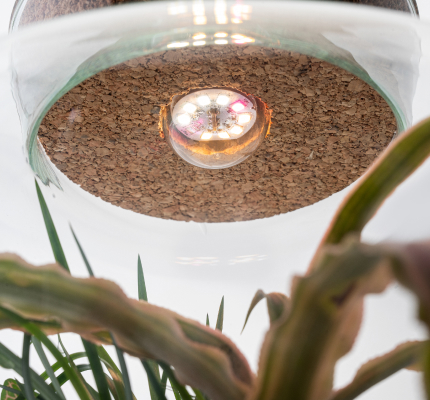
LED lights have gained popularity due to their energy efficiency, longevity, and customizable spectrum options. LED grow lights specifically designed for plants can provide the necessary light wavelengths for terrariums. Look for LED bulbs with a color temperature between 5000K and 6500K for best results.
Incandescent Bulbs
While not as popular as fluorescent or LED lights, incandescent bulbs can still be used for certain types of terrariums, especially those housing low-light plants. However, incandescent bulbs produce more heat and consume more energy than other options, so it’s essential to monitor temperature and provide proper ventilation.
Conclusion
Lighting is a crucial factor in maintaining a healthy and thriving terrarium. By understanding the lighting needs of your terrarium plants and selecting the appropriate light bulbs, you can create an ideal environment for their growth and well-being. Whether you opt for natural light, fluorescent bulbs, LED lights, or incandescent bulbs
This site is registered on wpml.org as a development site. Switch to a production site key to remove this banner.